


Aphids on tomatoes: how to avoid them and get rid of them?
At the moment, tomatoes, the queens of the vegetable garden, are growing fast. While their yellow flowers herald a tasty harvest, you spot tiny aphids at their feet. You need to take action quickly.
Aphids: what damage?
There are many families of aphids: yellow, green, black... They sting tomatoes and suck out the sap, which, if nothing is done, causes the leaves to turn yellow and then the plant to dry out. By secreting their sweet honeydew, which ants love, aphids encourage the development of fumagine, a fungus that is harmful to your plants and can be spotted by a black mould on the leaves.

Repellent plants
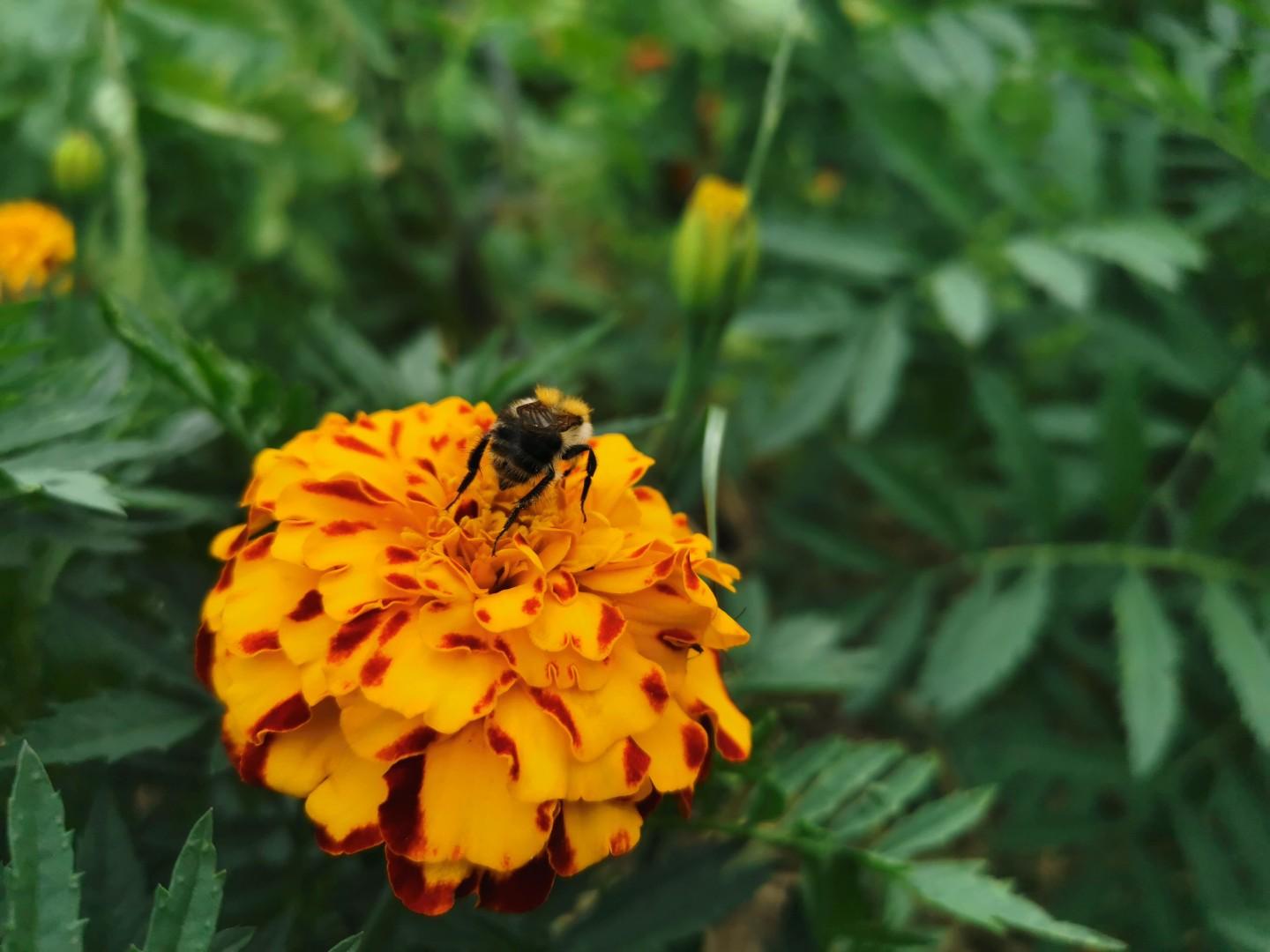
Organic farming enthusiasts develop a wealth of imagination to prevent the arrival of the dreaded aphids. One of the most popular techniques is to plant repellent plants not far from the tomatoes, which will scare the little black beasts away. Aromatic plants such as dill, mint and thyme also limit the invasion of aphids. Wormwood, anthemis or lavender also have an unpleasant odour that repels insect pests. The same applies to tagetes (or marigolds), which the old-timers systematically planted around tomatoes.
Our friend the ladybird
"Inviting" ladybirds into your garden is an effective way of seeing the aphid population drop significantly. Each ladybird can gobble up more than a hundred aphids a day. Ladybird larvae are even more greedy. To attract ladybirds, you obviously need to abandon all pesticide-based treatments and have a well-flowered vegetable garden.
The good old black knowledge
If the tomato plant is invaded, then a radical solution is to dilute three spoonfuls of black soap in a litre of water, mix well and spray the liquid on the diseased plants. Marseille soap produces the same effect. Other gardeners recommend a preparation based on white vinegar and water, in the same proportions.
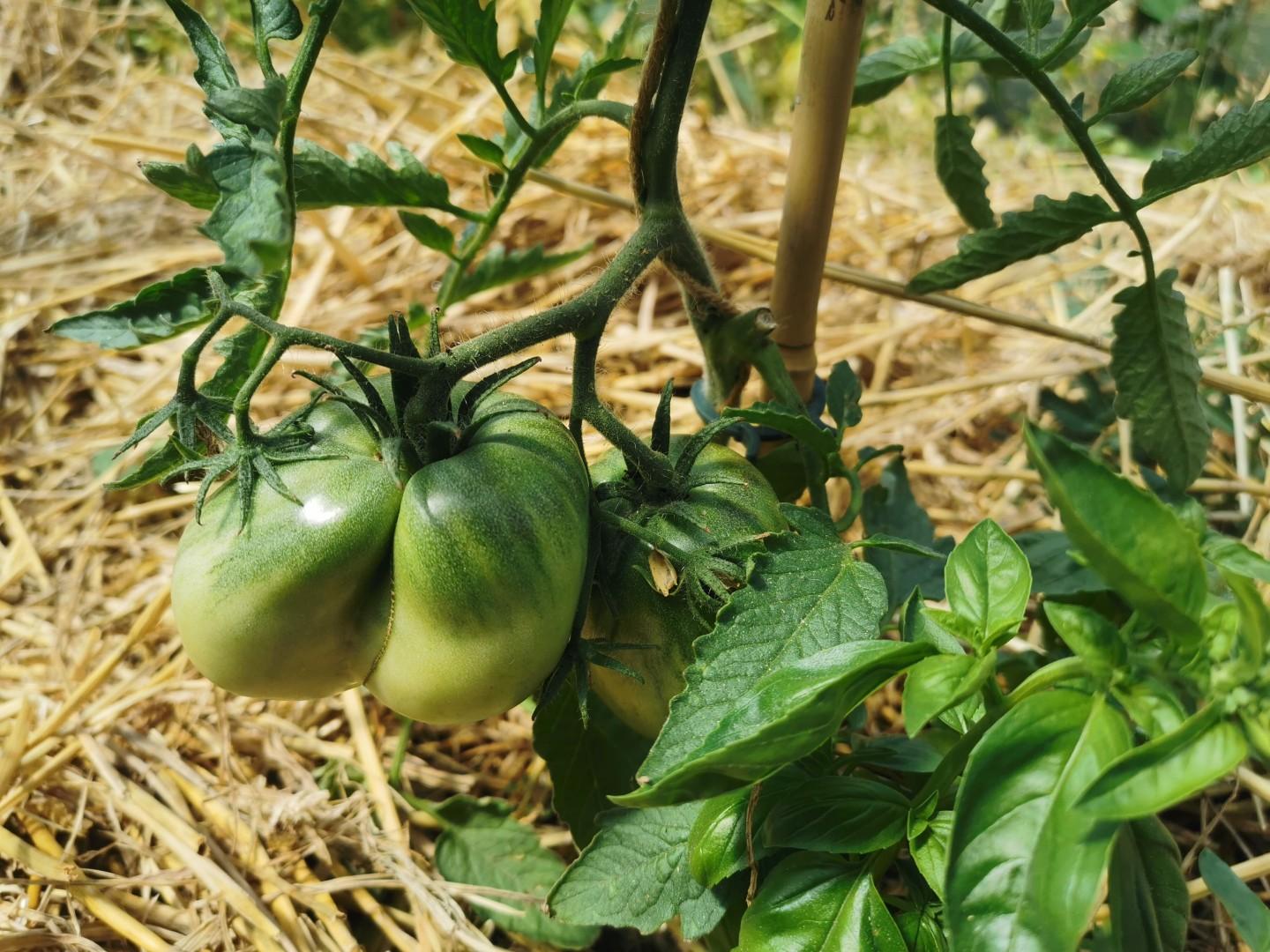
It is advisable to monitor the effectiveness of the treatment closely and repeat it if necessary a few days later. Aphids do not limit their appetite to tomatoes alone. They also attack other vegetables such as cabbages and fruit trees. So be careful!
