

Sowing calendar (Germany)
- Draw the plan of your vegetable garden to organize it more easily
- Browse your calendar so you don’t miss any garden tasks
- Ask questions to Permapotes and help when you can
- Find hundreds of cultivation sheets and many tips

Cultivate a vegetable garden in Germany: climate, advantages and challenges
Germany presents a predominantly temperate climate, with regional variations influenced by the Atlantic to the west and a more continental climate in the east. Winners can be cold, with frequent frosts, while summers are moderately hot, offering good conditions for a well -planned vegetable garden.
Winter frosts require protecting sensitive crops such as lettuce and young shoots. Spring, sometimes marked by late frosts, requires patience before performing the first sowing outdoors. In summer, warmer and sometimes dry in certain regions such as Bavaria, allows good growth of tomatoes, zucchini and peppers, although regular watering is essential in the hottest periods. Fall, with its cooler temperatures and growing humidity, prolongs the cultivation of rustic vegetables such as cabbage, carrots and beets.
One of the main difficulties in Germany is climatic variability, requiring constant adaptation of plantations. Humidity can promote cryptogamic diseases like mildew, while dry periods require effective watering management. The presence of pests, in particular the slugs after the rains, requires preventive measures such as the use of natural barriers and repellents.
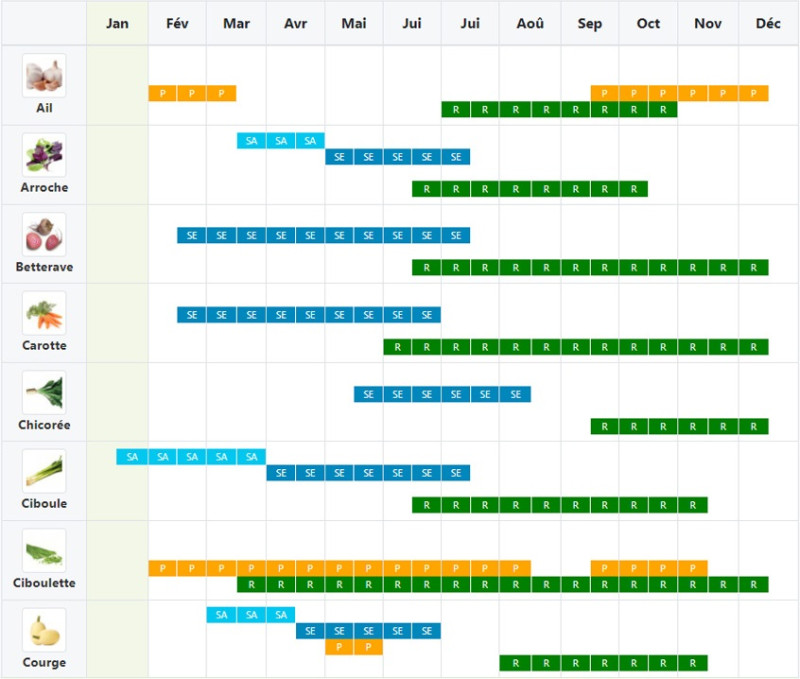
A suitable culture calendar is essential: the first sowing under shelter can start in February-March for peas and radishes, while tomato and zucchini plantations in the ground must wait until April-May after the last frosts. As autumn approaches, resistant vegetable crops such as leeks and cabbage take over for late harvests.
Do you want to organize your vegetable garden according to the German climate? Discover our tools and advice for productive and environmentally friendly gardening!