
Sowing calendar (Swiss)
- Draw the plan of your vegetable garden to organize it more easily
- Browse your calendar so you don’t miss any garden tasks
- Ask questions to Permapotes and help when you can
- Find hundreds of cultivation sheets and many tips
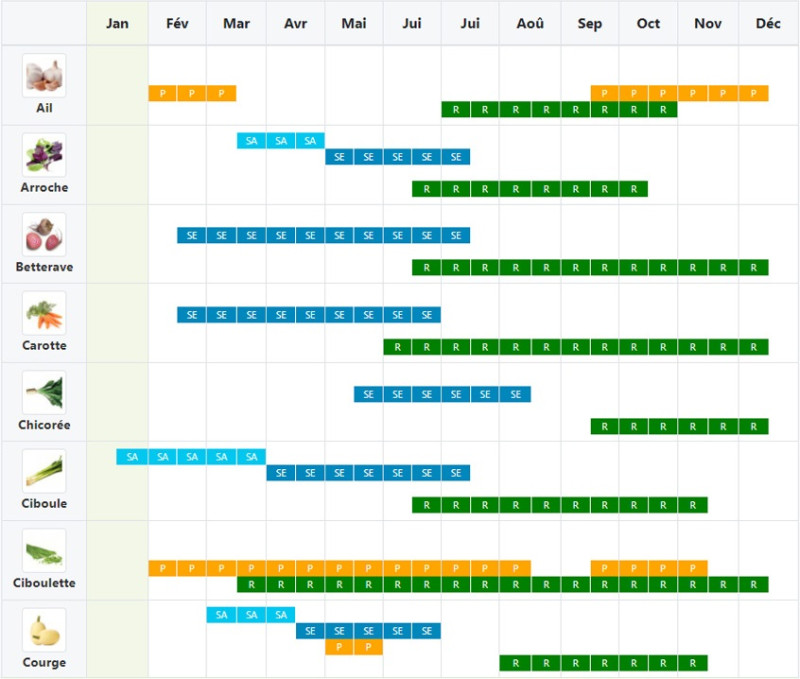

Cultivate a vegetable garden in Switzerland: climate, advantages and challenges
Holding a vegetable garden in Switzerland offers a unique experience thanks to the climate diversity of the country. Due to its mountainous landscapes and its deep valleys, the climate varies considerably from one region to another. This directly influences culture management and planning the vegetable garden. Understanding these climatic particularities is essential to maximize harvests and choose the right varieties of plants.
In the southern regions of Switzerland, like Ticino, the climate is softer and Mediterranean. The temperatures are higher and the growth season is longer, which allows to grow vegetables and plants requiring heat. Cultures such as tomatoes, zucchini, peppers, and even certain fruits such as citrus fruits can prosper under these conditions. Sunny days also promote the growth of many aromatic herbs, such as basil and lavender. In these areas, gardeners can take advantage of a more extensive cultivation period, from spring to fall, to harvest several times a year. However, these regions are not free from challenges: in summer, periods of drought may occur, which requires effective management of irrigation.
In contrast, alpine and subalpine regions have a much colder climate. Long and harsh winters, with frequently zero temperatures, limit the culture season to only a few months. Late frosts in the spring and the first autumn frosts pose an additional challenge for gardeners. In these areas, cultures must be chosen according to their resistance to cold. Root vegetables such as carrots, turnips, beets, as well as certain varieties of cabbage and leek, are better suited to this harsher climate. In addition, gardeners often need to use protective techniques for their plants, such as greenhouses, plastic tunnels or garden covers to protect them from frosts and prolong the culture season.
One of the major gardening challenges in Switzerland is humidity. The country, especially in the plain regions and the valleys, receives many precipitation throughout the year. This constant humidity promotes the development of fungal diseases, such as mildew, which can affect crops such as tomatoes or potatoes. It is therefore crucial to ensure good ventilation of plants and not to water too much, especially during periods of high humidity. Using mulch can also help limit soil humidity and prevent the proliferation of weeds.
Swiss floors are generally fertile, but their nature varies according to the region. In plain areas, soils are often well -drained and rich in nutrients, which is ideal for growing varied vegetables. On the other hand, in mountainous regions, soils can be more acidic or poor in nutrients. Under these conditions, amendments such as compost, manure or lime may be necessary to improve soil quality and ensure optimal plant growth.
In short, although the Swiss climate has challenges for gardeners, it also offers a great opportunity to experiment with a wide variety of cultures. By understanding local specificities and choosing good gardening techniques, such as using greenhouses or frost protections, it is possible to effectively manage your vegetable garden throughout the year. Gardening in Switzerland requires good preparation, but the results can be extremely rewarding, with abundant and healthy crops that meet the food and ecological needs of passionate gardeners.