
Growing peppermint: how to plant and use it?
Would you like to harvest peppermint in your garden but aren’t sure how to go about it? You’ve come to the right place! We’ve put together a guide to planting and using peppermint! Make the most of our top tips for harvesting lovely leaves from this well-known plant, which is prized for its medicinal properties and nutritional benefits in cooking...
What is peppermint?
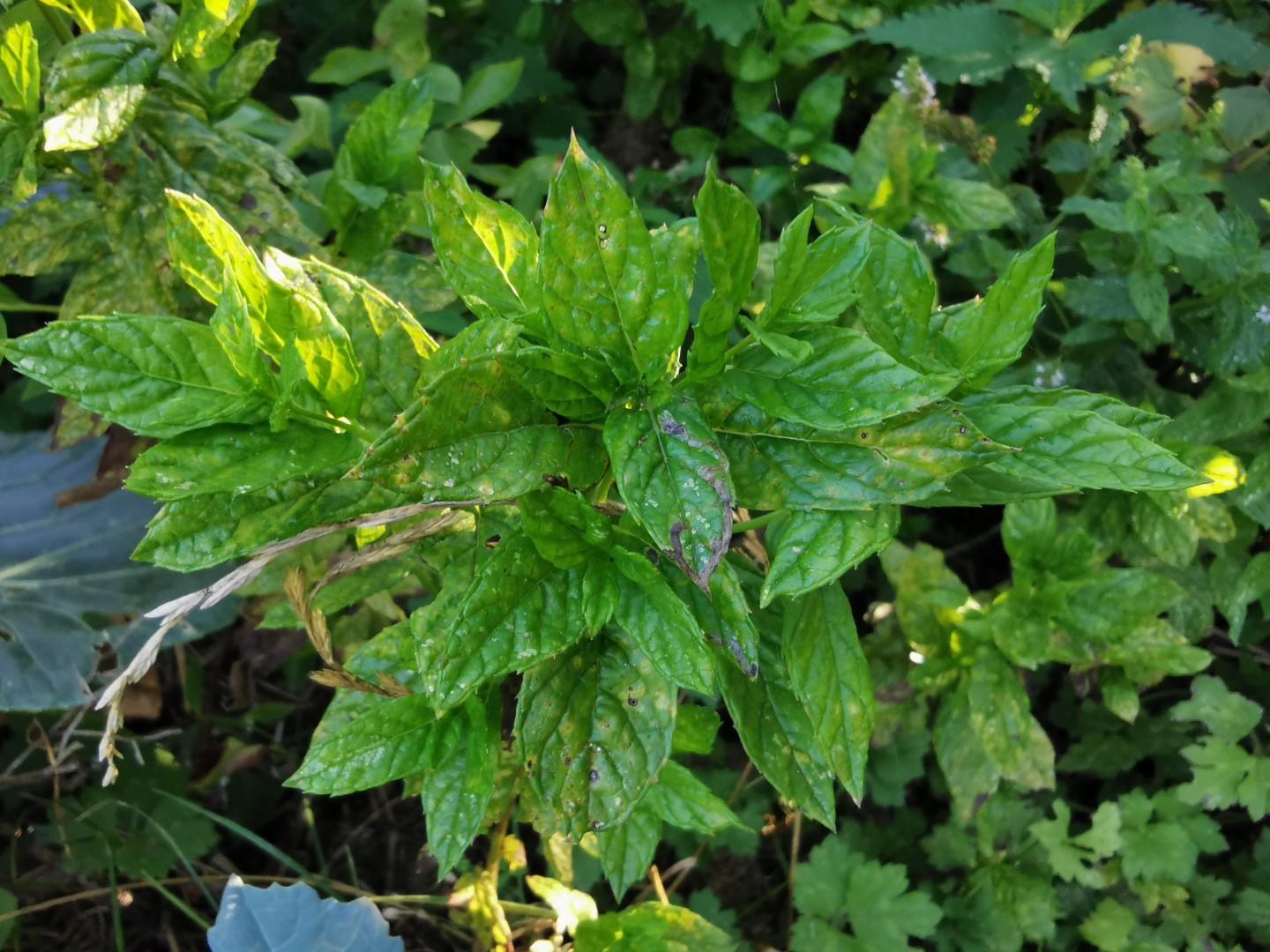
Peppermint is an aromatic plant with its own distinctive characteristics. Created through natural hybridisation between water mint and spearmint, peppermint has a strong aroma used in aromatherapy as well as in the preparation of spicy dishes. It is valued for its numerous benefits and is a plant frequently found in our gardens and pots, whether kept indoors or outdoors. Just like growing basil or other aromatic plants, planting peppermint requires specific guidelines to ensure a good harvest and healthy plants.
How can you use peppermint?
Peppermint can be used in a variety of ways. Once harvested from your garden or pots, you can enjoy this wonderful aromatic plant, whether for its flavour, nutritional value or the beneficial properties it offers for physical wellbeing. Peppermint can be used internally or externally, depending on what you intend to do with it. You can reap its benefits by inhaling peppermint to clear your airways when you have a cold, by drinking it as a herbal tea to stimulate your digestion, or by making poultices to relieve physical pain.
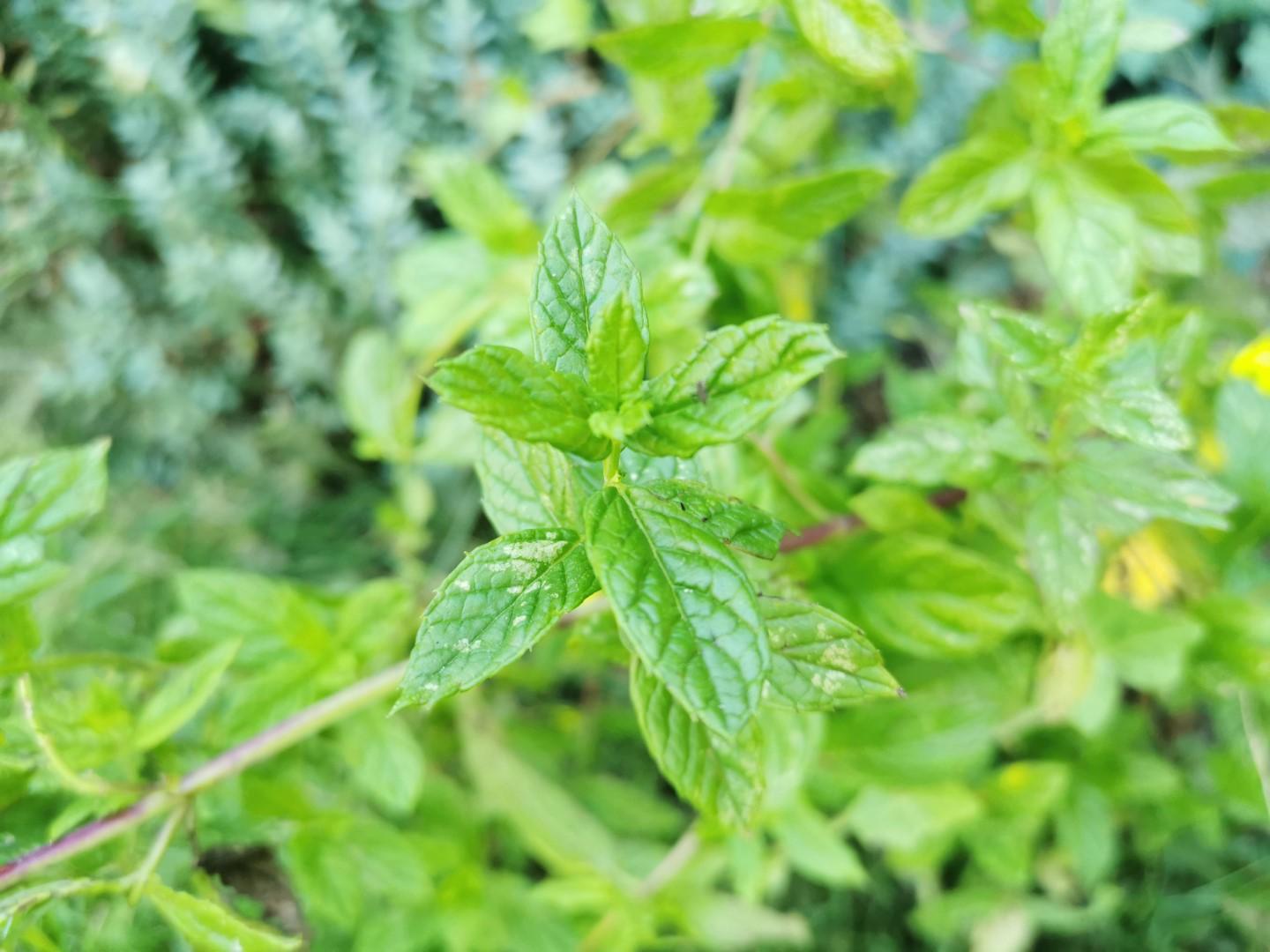
Peppermint is used for its positive effects on the digestive system. It combats bloating, nausea and acid reflux. It promotes healthy digestion and helps keep your tummy flat. Its benefits are also harnessed to relieve joint pain, temporary headaches and period pain. Athletes regularly consume peppermint to soothe muscle cramps caused by intensive training.
How do you plant peppermint in your garden or in pots?
Planting peppermint requires a spot that is sheltered yet also enjoys gentle sun exposure. Peppermint is a plant that thrives in cool soil and near a water source. You can start planting as early as March. If you do not wish to plant peppermint in your garden, you can still use pots to place them indoors or outside.
In permaculture, it is important not to use chemicals whilst your plants are growing. Opt for natural methods such as nettle manure to keep pests away from your peppermint plants in the garden. If you’re just starting out, this video for beginners in permaculture vegetable gardening will help you get to grips with the basics!
Since time immemorial, the different phases of the moon have always been linked to planting. In fact, you can consult our lunar calendar to help you optimise your peppermint planting. The moon is said to have a significant influence on the growth of your plants, so do make use of it to ensure your planting is a success!
