

Radish
Radish is a plant with numerous health benefits. In fact, it is rich in vitamins C, B9 and minerals such as potassium and phosphorus. It is also low in calories, making it ideal for anyone watching their figure. It can be eaten raw, in salads, or cooked, in soup or puréed. Its mildly spicy flavour adds a touch of freshness to many dishes.
To grow radishes in the vegetable garden, it's important to choose the right time to plant them. In general, radish seeds are sown directly in the ground in spring, when temperatures start to warm up. We recommend spacing them about 3 to 5 centimetres apart to give the roots enough room to develop. It is also important to water them regularly, especially in dry weather.
Once the radishes have been sown, it is essential to look after them properly. It is advisable to hoe the soil regularly to prevent weeds from proliferating, and to use a natural fertiliser to encourage plant growth. It is also important to watch out for the appearance of any diseases or pests and act quickly to limit their spread.
The harvesting period for radishes varies according to the variety grown, but generally takes place between 3 and 6 weeks after sowing. It is important to harvest radishes as soon as they are sufficiently developed to prevent them becoming hollow or fibrous. We recommend picking them early in the morning or at the end of the day to preserve their freshness and flavour. Once picked, radishes can be stored in the fridge for a few days, but they should be eaten quickly to benefit from all their nutritional qualities.
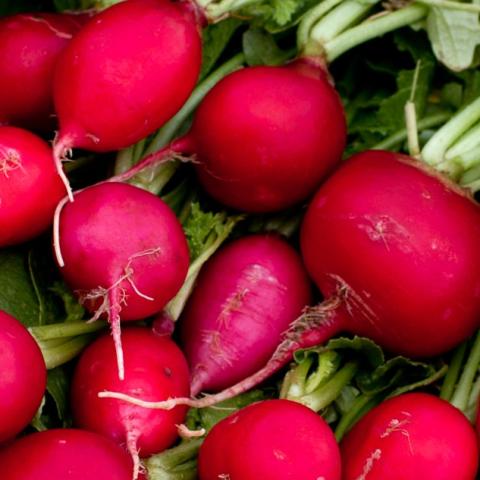
Radish
- Type : Vegetables
- Subtype : Root vegetables
- Botanical Family : Brassicaceae (cruciferous)
Characteristics
- Lifecycle : Annual
- Exposure : Partial Shade
- Frost Hardiness : Frost Resistant
- Cultivation Difficulty : Easy
- Mature height : 15 cm
Sowing & Planting
- Greenhouse Growing : Not Required
- Sowing Depth : 1 cm
- Plant Spacing : 5 cm
- Row Spacing : 20 cm
Maintenance
- Maintenance : Low
- Water Requirements : Moderate
Other characteristics
- Soil Type : Humus-rich
- Soil pH Preference : Neutral
- Pest Sensitivity : Moderate
- Disease Sensitivity : Low
- Weed Sensitivity : Moderate
- Pollination : Insect-pollinated
- Propagation : Sowing